
Insights
Why Your Portfolio Tracker is Failing You in 2026 (And What to Do About It)
Most portfolio trackers show you numbers. They don't explain what those numbers mean or help you act on them. Here's why the next generation of portfolio intelligence is different — and why it matters.
You log into your portfolio app. You see your balance. Bitcoin is down 5%. NVDA is up 3%. Your total portfolio is down 1.2% today. Then what?
Most portfolio trackers stop there. They hand you a number and leave you alone. In 2026, with global markets more volatile and interconnected than ever, this passive approach is no longer enough for active investors.
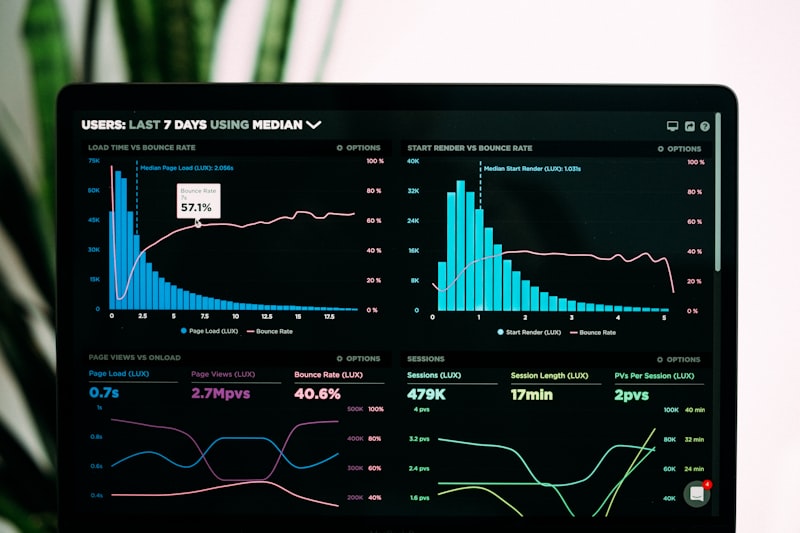
Photo by Luke Chesser on Unsplash
The Three Failures of Legacy Trackers
Failure 1: They Show What, Not Why
Your tracker shows Bitcoin dropped 5%. It does not tell you that this happened because of a $2 billion ETF outflow triggered by a Federal Reserve comment about digital assets. That context — the why — is what you actually need to decide whether to hold, reduce, or add to your position.
Failure 2: They Treat All Assets the Same
Most trackers display BTC, NVDA, and an S&P 500 ETF in identical rows. They don't differentiate by asset class, risk profile, or market driver. A crypto asset responding to on-chain events and a blue-chip stock responding to earnings announcements require completely different analytical frameworks — and a good tracker should help you navigate that difference.
Failure 3: They're Passive When Markets Demand Action
Traditional trackers wait for you to come to them. They don't surface anomalies, flag unusual volume spikes, or alert you when a position's composite signal deteriorates before you even notice. In fast-moving markets, passive tools create information lag — and lag costs money.
What the Next Generation Looks Like
The new generation of portfolio tools, including Fynov, is built on three principles:
- Explanation over display: Don't just show the number — explain what's driving it. Every significant price movement should have context.
- Composite intelligence: Instead of raw indicators that require expertise to interpret, surface synthesized signals that combine technical and AI-driven market analysis into actionable metrics.
- Proactive alerts: Don't wait for the user to check in. Surface relevant signals when they matter — not after the opportunity has passed.

Photo by Pickawood on Unsplash
The Real Cost of Passive Tracking
Investors who use only passive trackers report spending 30-60 minutes per day manually researching what caused the day's movements. That's time spent on Google News, Reddit, and Twitter — information scattered across multiple sources, often contradictory, rarely synthesized.
An AI-powered dashboard can compress that research time dramatically by surfacing structured, contextualized educational analysis at the asset level. The time saved per week can be reinvested into deeper research on the positions that actually warrant it.
What to Look For in a Modern Portfolio Tool
- Per-asset AI composite ratings (not just global sentiment)
- Natural language explanations for market movements
- Multi-asset coverage (crypto + stocks + ETFs in one view)
- Proactive intelligent alerts, not just price thresholds
- A conversational AI assistant that understands your portfolio context
These aren't luxuries — they're the baseline for what a serious active investor should expect from their portfolio tool in 2026.